Understanding EMI/PSP Licensing: A Step-by-Step Guide for Estonian Businesses
Estonia has become a hub for financial technology, attracting businesses eager to explore opportunities in the digital finance sector. Among the licensing options available, Electronic Money Institution (EMI) and Payment Service Provider (PSP) licenses are particularly appealing to companies looking to offer innovative payment solutions.
EMI and PSP licenses allow businesses to issue electronic money and provide payment services across the European Economic Area (EEA). Understanding how to obtain these licenses is crucial for any company aiming to expand its financial services in Estonia.

What is an EMI License?
An EMI license permits a company to issue electronic money, which can be used for a variety of transactions. This license is vital for businesses that intend to manage digital wallets, prepaid cards, and other electronic payment methods. It ensures compliance with regulatory standards, promoting trust and security among consumers.
Obtaining an EMI license involves meeting specific capital requirements and adhering to strict anti-money laundering (AML) protocols. Companies must demonstrate robust internal systems to manage risks and maintain customer data confidentiality.
Understanding PSP Licensing
A PSP license enables businesses to provide payment services, such as processing credit card payments, executing direct debits, and facilitating online transfers. This license is essential for companies that wish to operate in the payment processing space.
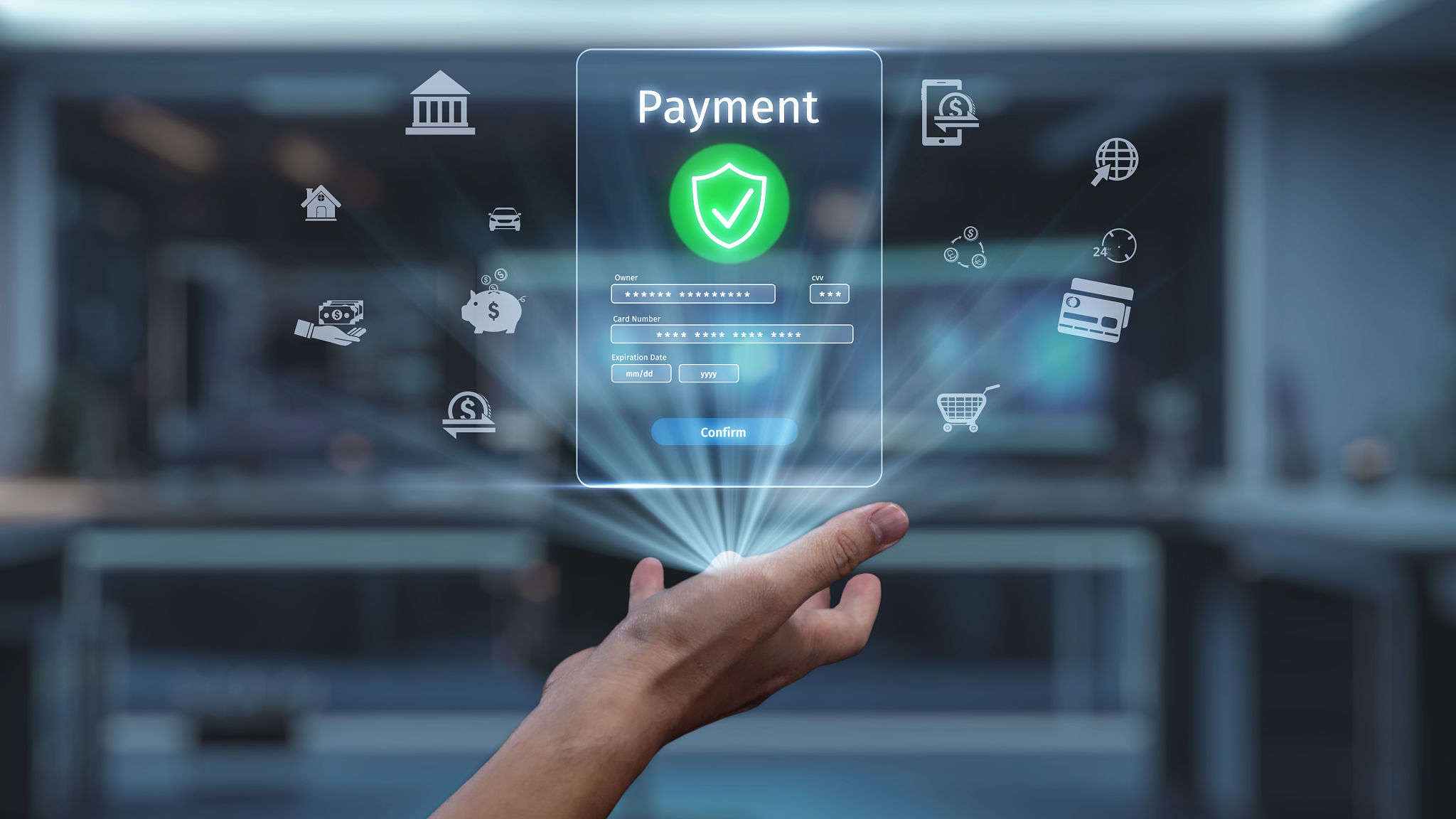
To acquire a PSP license, businesses must comply with regulatory requirements similar to those for EMI licensing, including capital adequacy and risk management measures. Additionally, PSPs must implement strong customer authentication processes to secure transactions.
Step-by-Step Guide to Obtaining a License
Here is a step-by-step guide to help Estonian businesses navigate the EMI/PSP licensing process:
- Research and Preparation: Understand the regulatory requirements and gather necessary documentation, including a business plan and financial projections.
- Application Submission: Submit the application to the Estonian Financial Supervision Authority (FSA) along with all required documents.
- Regulatory Review: The FSA will review your application, assessing your compliance with the legal requirements and financial stability.
- Approval and Licensing: Upon approval, you will receive your EMI or PSP license, allowing you to operate within the EEA.
Benefits of Holding an EMI/PSP License
Acquiring an EMI or PSP license offers numerous benefits. Licensed businesses can operate across the EEA, providing services to millions of potential customers. This expands market reach and enables companies to tap into the growing demand for digital payment solutions.

Moreover, holding a license enhances credibility and trust, making it easier to establish partnerships with banks and other financial institutions. It also ensures that businesses remain compliant with evolving regulations, reducing risks and fostering long-term stability.
Challenges and Considerations
While the benefits are significant, the licensing process can be challenging. Businesses must invest time and resources to meet regulatory standards. It's essential to have a clear understanding of the compliance requirements and maintain ongoing communication with regulatory bodies.
Additionally, companies should be prepared for periodic audits and reviews to ensure continued compliance. This ongoing commitment to regulatory standards is crucial for sustaining operations and building consumer trust.